When to Call for Dead Tree Removal and What to Expect
Understanding the Risks of a Dead Tree on Your Property
Dead trees are more than an eyesore. They become unpredictable hazards, especially during storms or high winds. A dead tree can drop heavy limbs without warning, damaging structures, vehicles, or injuring people. Over time, the wood dries out and loses flexibility, making it brittle. This is why dead tree removal is often urgent, not just cosmetic.
Spotting a dead tree isn't always straightforward. Some trees lose leaves in one season but leaf out again the next. Others may have dead branches on one side while the rest appears healthy. A true dead tree shows no signs of life anywhere: no buds, no leaves in the growing season, and bark that peels away easily. If you notice fungi growing at the base or cracks in the trunk, those are additional warning signs. Jasper Tree Removal dead tree removal
Signs That a Tree Is Beyond Saving
Not every struggling tree needs to come down. But certain indicators mean it is time to consider removal. Look for large dead branches that make up more than half the canopy. Check for a trunk that has split or developed a lean. If the tree has lost a major limb and the remaining structure looks unstable, that is a strong signal. Also, if the tree is dead but still standing, its root system may be decayed, meaning it could fall in any direction.
Sometimes a tree is too close to a house, driveway, or power line. In those cases, even a partially dead tree poses a risk. You may also notice the ground around the base is lifting or cracking, which suggests root failure. If you see any of these conditions, it is worth having a professional assess the tree. They can confirm whether dead tree removal is necessary.
Why Professional Removal Matters
Removing a dead tree is not a simple weekend project. Dead wood is unpredictable. Branches may shatter when cut, and the tree itself can twist or fall in unexpected ways during removal. Professionals have the training and equipment to handle these risks. They use rigging techniques to lower branches safely and can dismantle a tree piece by piece if the space is tight.
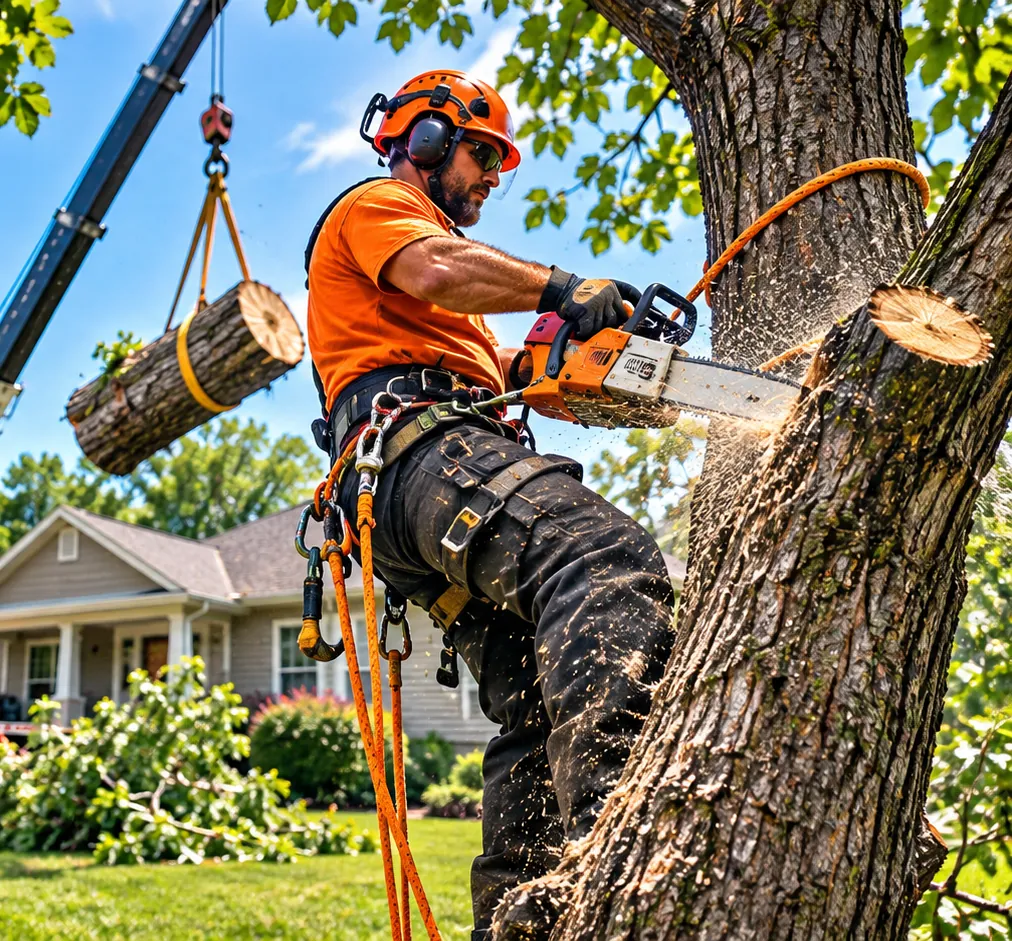
Another factor is the cleanup. A dead tree can leave behind a large stump and a mess of debris. Professional services include hauling away the wood and grinding the stump below ground level, so you don't have to manage disposal yourself. For homeowners in Jasper and Pickens County, Georgia, understanding the local landscape helps. The terrain can be uneven, and trees may be situated near slopes or buildings. Jasper Tree Removal dead tree removal services are designed to handle these exact conditions. They bring the right tools and experience to safely remove dead trees from residential and light commercial properties.
When you call a professional, they will first inspect the tree and the surrounding area. They will look for hazards like nearby power lines, fences, or gardens. Then they plan the removal sequence. The goal is to take the tree down in sections, controlling each piece as it falls. This approach minimizes damage to your property and keeps the crew safe.
What Happens After the Tree Is Down
Once the tree is on the ground, the work is not finished. The crew will cut the trunk and branches into manageable lengths. They will remove all debris from the site. Stump grinding is usually a separate step. A stump grinder chews the wood several inches below the soil line. This prevents regrowth and leaves the area ready for grass or landscaping. Some companies also offer to backfill the hole with soil, but you should ask about that when you get an estimate.
If you plan to replant in the same spot, consider waiting a year or two. The old roots can decay slowly, and the soil may settle. In the meantime, you can plant grass or a ground cover to prevent erosion. Professional crews often provide advice on what to expect after removal, but they will not plant new trees for you unless that service is part of their offering.
Cost Factors and Timing
Several things affect the cost of dead tree removal. The size of the tree is a major factor. A large oak will take more time and equipment to remove than a small dogwood. Accessibility matters too. If the tree is in a backyard with no gate, the crew may need to carry equipment by hand. Obstacles like sheds, fences, or gardens can add time. The condition of the tree also plays a role. A tree that is completely dead and brittle may be more dangerous to work with, which can increase the price.
Timing is another consideration. Many homeowners wait until after a storm to call, but that is when companies are busiest. If you know a tree is dying, it is better to schedule removal during a calm period. You will have more flexibility in choosing a date, and the crew can work more efficiently. In Pickens County, spring and fall are popular times for tree work, so booking ahead helps.
How to Choose a Tree Service
When looking for a company to handle dead tree removal, there are a few things to check. First, ask if they are insured. Liability and workers’ compensation insurance protect you if something goes wrong. Second, ask about their experience with dead trees specifically. The techniques differ from pruning live trees. Third, get a written estimate that details what is included: removal, cleanup, stump grinding, and hauling. Avoid companies that give vague quotes over the phone without seeing the tree.
Local knowledge is valuable. A company that works in your area will understand the soil conditions, common tree species, and typical weather patterns. For residents of Jasper and Pickens County, services like Jasper Tree Removal dead tree removal offer the benefit of familiarity with the region. They know the local regulations and can advise if a permit is needed. In most cases, removing a dead tree on private property does not require a permit, but it is always best to confirm.
Preparing for the Crew
Before the crew arrives, clear the area around the tree. Move vehicles, lawn furniture, and potted plants. Let the crew know about any underground utilities or sprinkler lines. They will take precautions, but it helps to mark the lines if you know where they are. Keep children and pets indoors during the work. Tree removal is noisy and involves heavy equipment. It is safest to stay out of the work zone until the crew is done.
After the removal, inspect the area. The crew should leave your property clean. If they ground the stump, you will see a mound of wood chips. Some companies spread the chips to cover the hole, while others remove them. Ask beforehand what their standard practice is. If you have a garden or lawn that needs protection, tell the crew in advance. They can lay down plywood or planks to minimize damage.
Preventing Future Problems
Once a dead tree is gone, you can take steps to keep other trees healthy. Regular watering during dry spells helps, especially for young trees. Mulch around the base to retain moisture, but keep it away from the trunk to avoid rot. Prune dead or weak branches each year. This reduces the risk of future breakage. If you notice a tree declining, have an arborist check it early. Catching a problem soon can sometimes save the tree and avoid the expense of removal later.
Dead tree removal is not something most homeowners think about until they have a problem. But recognizing the signs early and acting quickly can prevent damage and keep your property safe. By working with a professional who understands the local environment, you can ensure the job is done right. Whether the tree is small or large, the goal is the same: remove the hazard, clean up the mess, and restore peace of mind.
Jasper Tree Removal on social media
 Twitter
 Instagram
 YouTube